
Favorite Tools For Professional-Grade Bathtub Installations
Equip yourself with essential tools and materials that help achieve a flawless and secure bathtub installation.
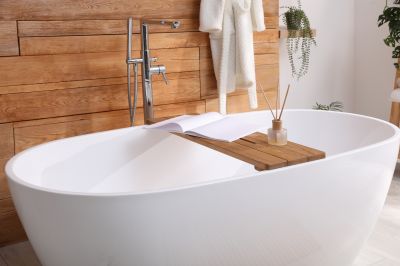 Installing a bathtub involves selecting the right products to ensure a safe, functional, and aesthetically pleasing setup. The process typically begins with choosing the appropriate bathtub itself, which can vary widely in size, material, and style to match the bathroom decor and user preferences. Once the bathtub is selected, attention shifts to the supporting components such as faucets, drains, and overflow covers, all of which contribute to the overall performance and ease of use.
Top Overall Option
Comprehensive Bathtub Installation Kit
A complete bathtub installation kit offers a versatile solution that includes essential components such as a durable bathtub, compatible faucet set, drain assembly, overflow cover, and necessary mounting hardware. Designed for ease of installation, these kits often feature pre-measured parts and clear instructions, making them suitable for both DIY enthusiasts and professional installers. They provide a cohesive package that ensures compatibility and helps streamline the installation process, contributing to a secure and functional bathroom setup.
Types of Products For Bathtub Installations
Freestanding Bathtubs
Standalone tubs that add a stylish focal point to the bathroom and are often easier to install in retrofit projects.
alcove Bathtubs
Designed to fit into three-wall alcoves, these are common in many homes and require specific surround and sealing components.
Corner Bathtubs
Optimized for corner spaces, these tubs maximize bathroom footprint and often include built-in seating or jets.
Drop-in Bathtubs
Installed into a custom-built surround or deck, providing a seamless look and customizable design options.
Undermount Bathtubs
Mounted beneath a custom countertop or deck for a sleek, integrated appearance.
Whirlpool and Jetted Tubs
Feature built-in jets for hydrotherapy and relaxation, requiring specialized plumbing and electrical connections.
Accessible Bathtubs
Designed with features like low thresholds and grab bars to improve safety and accessibility.
Clawfoot Tubs
Vintage-style tubs that sit on the floor with exposed feet, often requiring specific plumbing arrangements.
Plastic or Acrylic Tubs
Lightweight and easy to install, these materials are common for various bathtub styles.
Cast Iron Tubs
Heavy-duty and durable, these tubs often require reinforced flooring and precise installation techniques.
Fiberglass Tubs
Affordable and easy to install, suitable for many standard bathroom layouts.
Tub Surrounds and Enclosures
Panels and enclosures that protect walls and provide a finished look around the bathtub.
Faucet and Shower Sets
Complete units that include the faucet, showerhead, and controls, available in various styles and finishes.
Drain and Overflow Assemblies
Components that ensure proper drainage and prevent overflows, critical for safe operation.
Waterproof Sealants and Caulks
Materials used to seal joints and edges, preventing water leaks and damage.
Support and Reinforcement Brackets
Hardware that provides stability and support for heavy or built-in tubs.
Flexible Plumbing Connectors
Allow for easier connections between the tub and existing plumbing, accommodating various installation scenarios.
Popular Choices
Popular for their lightweight nature and versatility in modern bathroom designs.
Combines bathing and showering functions, suitable for space-efficient bathrooms.
Favored for their space-saving design and hydrotherapy features.
Easy to install with customizable surrounds, often chosen for renovation projects.
Continually popular for their classic aesthetic and nostalgic appeal.
Preferred for accessibility upgrades and accommodating users with mobility needs.
Cost-effective and straightforward to install, common in many residential bathrooms.
Trending for those seeking relaxation features within their bathrooms.
Valued for durability and classic design, especially in vintage bathroom restorations.
Popular for their convenience and variety of styles.
Convenient for quick upgrades and sealing around the tub area.
Essential for ensuring proper drainage and safety in bathtub installations.
Widely used for their adaptability during installation.
Commonly chosen for their ease of application and water resistance.
Help stabilize heavy tubs and ensure secure installation.
Proper installation also requires reliable plumbing fixtures and accessories, including shut-off valves, flexible connectors, and mounting hardware. These components must be compatible with existing plumbing systems and meet local building codes. Additionally, sealing materials like waterproof caulks and adhesives are essential to prevent leaks and water damage. For those undertaking a renovation or new installation, understanding the different product options and their features can help streamline the process and achieve a durable, long-lasting setup.
When choosing products for bathtub installation, it is important to consider factors such as material quality, ease of installation, and maintenance requirements. Some products are designed to enhance accessibility, such as grab bars and low-threshold entry systems, which can be beneficial for users with mobility challenges. Whether upgrading an existing bathroom or installing a new setup, selecting the right components can make a significant difference in the overall functionality and safety of the space.
Hannibal residents looking to undertake a bathtub installation project should evaluate their specific needs and preferences carefully. Consulting with local plumbing professionals or suppliers can provide valuable insights into the most suitable products for their particular bathroom configuration. With the right selection of products, a well-executed installation can improve the usability and comfort of a bathroom space for years to come.
Key Buying Considerations
- Assess the size and space available in your bathroom to select an appropriately sized tub.
- Determine the preferred material based on durability, weight, and aesthetic preferences.
- Consider the type of installation—whether it is a drop-in, alcove, corner, or freestanding model.
- Check compatibility of faucet and drain components with your chosen tub type.
- Evaluate accessibility features if needed, such as low thresholds or grab bars.
- Review the weight of the bathtub, especially if installing in upper floors, to ensure structural support.
- Look into the ease of installation, especially if planning a DIY project.
- Consider maintenance requirements and ease of cleaning for different materials.
- Examine the available styles and finishes to match your bathroom decor.
- Ensure all components meet local building codes and safety standards.
- Think about additional features like jets, built-in shelving, or ergonomic design.
- Budget for the entire installation, including plumbing and finishing materials.
- Research the warranty or support options offered with the products.
- Plan for proper waterproofing and sealing to prevent leaks and water damage.